
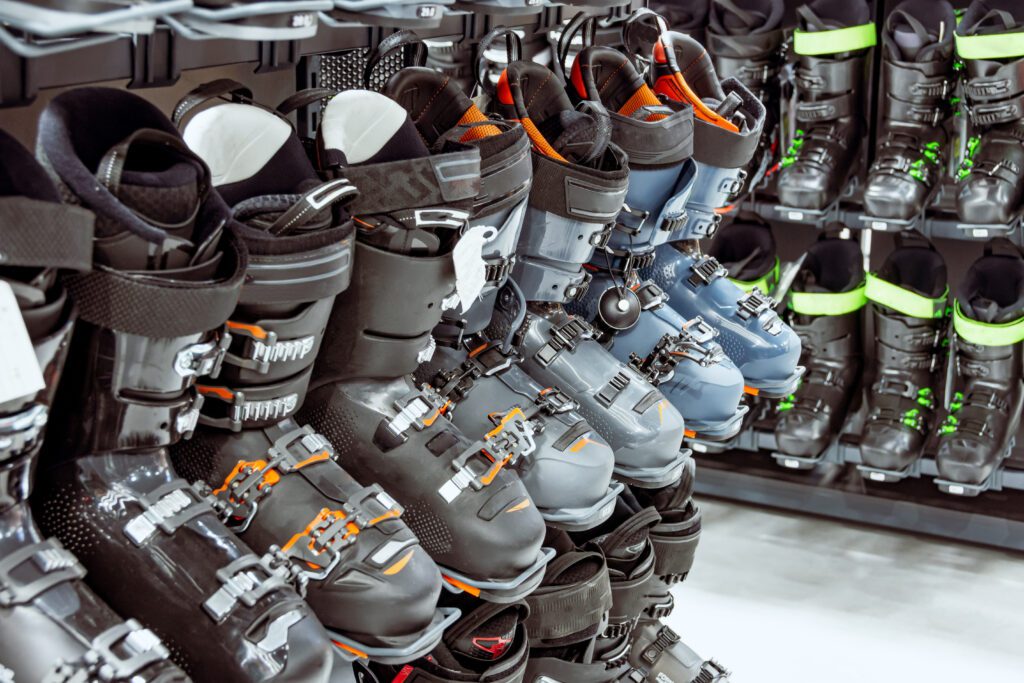
Finding the perfect ski boots can make or break your mountain experience. In Vail, Colorado—where terrain ranges from soft powder in the Back Bowls to firm morning groomers—the right pair of boots is essential for comfort, control, and safety. At American Ski Exchange, we’ve helped skiers of every level—from first-timers to seasoned pros—find their ideal fit. This in-depth guide explains how to choose ski boots that enhance comfort, performance, and confidence during your time on the slopes.
Whether you’re buying or renting ski boots for your Vail trip, knowing what to look for ensures you’ll stay warm, balanced, and in control all day long.
Why Ski Boots Matter Most
While skis get most of the attention, boots are the single most important piece of equipment. They are your direct connection to the snow, transmitting every movement to your skis. A well-fitted boot improves balance, turning, and response, while a poor fit can cause pain, fatigue, and even injury.
According to Snowsports Industries America (SIA, 2024), 65% of skiers who experience discomfort or reduced performance cite improper boot fit as the main cause. In Vail, where conditions shift rapidly between powder, hardpack, and slush, the right boot ensures precision, comfort, and stability on every run—especially when paired with the right overall setup for local conditions, as outlined in choosing the right gear for Vail’s conditions.
Step-by-Step Guide to Choosing the Best Ski Boots
Step 1: Identify Your Skill Level
Ski boots are designed for specific performance needs. Knowing your skill level helps narrow your options:
- Beginners to Intermediates: Soft-flex boots (flex 60–90) for comfort and forgiveness.
- Advanced to Expert Skiers: Stiffer boots (flex 100–130+) for power and control on steeper terrain.
- Freeride or Backcountry Skiers: Lightweight touring boots with walk modes and durable soles for hiking.
Boot flex directly affects control—stiffer boots offer precision, while softer boots prioritize comfort.
Step 2: Understand Boot Sizing and Fit
Ski boots use Mondopoint sizing, measured in centimeters. Beyond length, width (or “last”) is critical:
- Narrow (97–98mm) – Precision performance fit.
- Medium (99–101mm) – Standard, all-purpose fit.
- Wide (102–104mm) – More space for comfort or wider feet.
At American Ski Exchange, expert fitters use 3D scanners to measure arch height, ankle shape, and calf volume, ensuring every skier gets a truly customized fit—especially important for the long ski days typical in Vail.
Step 3: Choose the Right Flex
Flex rating defines how stiff your boots feel when flexing forward:
- Soft (60–80): Best for new or lightweight skiers.
- Medium (90–110): Ideal for all-mountain performance.
- Stiff (120–130+): Maximum responsiveness for advanced skiers.
Cold weather in Vail can stiffen boot plastics by up to 15%, so boots that feel perfect in the shop may feel firmer outside. Skilled fitters take this into account when helping you select the right flex.
Step 4: Consider Liner and Fit Technology
Modern ski boots offer advanced liners and shell materials for a near-custom feel:
- Heat-Moldable Liners: Mold around your foot for comfort and precision.
- Custom Shell Molding: Heated shells reshape to your anatomy.
- Custom Insoles: Improve support and reduce fatigue.
American Ski Exchange specializes in these fit systems, allowing guests to test boots and make on-the-spot adjustments.
Step 5: Try Before You Buy
When testing boots:
- Wear thin, moisture-wicking ski socks.
- Flex forward several times—your toes should graze the liner when standing upright and pull back when flexing.
- Heels should stay locked with minimal lift.
Boots will break in after a few days, so they should start snug but not painful.
Matching Ski Boots to Vail’s Terrain and Conditions
Vail’s terrain demands versatile boots that adapt to varying snow types and temperatures.
- Powder Days: Softer flex improves maneuverability.
- Groomers and Hardpack: Stiffer boots enhance stability and edge control.
- Cold Days: Choose insulated liners for warmth at altitude.
- Changing Weather: Micro-adjustable buckles help fine-tune comfort mid-day.
Since Vail’s elevation exceeds 8,000 feet, temperatures can fluctuate dramatically. Boots that can adjust to your body and environment make all the difference in all-day comfort—especially for travelers following local travel tips for Vail.
Why Professional Boot Fitting Matters
A professional boot fitting is the best investment you can make in your skiing experience. At American Ski Exchange, expert fitters use advanced technology and decades of experience to optimize comfort and performance.
Services include:
- 3D foot scanning and digital analysis
- Heat-molded shells and liners
- Custom insoles for balance and support
- Canting and alignment adjustments
According to Ski Magazine’s 2024 Gear Study, professionally fitted ski boots improve skier efficiency by up to 25% due to better power transfer and less fatigue. For Vail’s varied terrain, this can be the difference between cruising all day or quitting early due to discomfort.
Common Boot Fitting Mistakes
Even experienced skiers make these frequent errors:
Sizing Up: A loose boot feels comfy in the store, but leads to poor control.
Wearing Thick Socks: Traps moisture, causing cold feet—opt for thin merino or synthetic socks.
Skipping Insoles: Leads to pressure points and reduced stability.
Ignoring Calf Shape: Women and taller skiers may need lower or flared cuffs.
Over-Tightening Buckles: Causes numbness and restricts circulation.
Correcting these mistakes drastically improves both comfort and skiing performance.
When to Replace Your Ski Boots
Even premium ski boots wear out. Replace them after about 5–8 seasons or 100–150 ski days. Warning signs include:
- Cracked soles or loose shells
- Worn-out liners or packed padding
- Reduced stiffness and support
- Persistent pain despite adjustments
Frequent skiers in Vail’s variable climate should inspect their boots yearly—especially if skiing daily or using performance bindings. Proper care and ski maintenance practices help extend boot life.
Why Choose American Ski Exchange in Vail
At American Ski Exchange, we combine mountain expertise with modern fitting tools to help every skier find the perfect boot. Our services include:
- Heat and vacuum boot molding
- Custom footbeds for arch support
- Performance boot demos for real-world testing
- On-site adjustments for visiting skiers
Our priority is making sure you ski better, safer, and longer—without ever thinking about your feet. Many guests also explore the benefits of renting ski equipment vs buying when deciding whether to invest in boots.
Maintenance Tips for Ski Boots in Vail
To keep your boots performing well:
- Dry liners overnight using boot dryers or ambient air.
- Avoid leaving boots near direct heat.
- Keep buckles fastened loosely to maintain shell shape.
- Remove liners occasionally to prevent odor and moisture buildup.
These small steps extend the life and performance of your investment.
Top 5 FAQs About Choosing Ski Boots in Vail
What flex ski boot do I need for Vail’s terrain?
For most skiers, a 90–110 flex offers a balance of comfort and control. Experts skiing Vail’s steeper or faster terrain may prefer 120–130 flex for precision.
Should ski boots feel tight at first?
Yes. New boots should fit snugly, with toes brushing the liner when standing. After a few ski days, liners pack out for a perfect fit.
Are rental boots good enough for advanced skiers?
Absolutely. High-performance rentals from American Ski Exchange include heat-moldable liners and precise fits comparable to owned boots.
How long does a professional boot fitting take?
A thorough fitting usually takes 45–90 minutes, including foot measurement, shell selection, and liner customization.
Should I buy or rent ski boots if I visit Vail once a year?
If you ski fewer than 10–15 days annually, renting boots is more practical. You’ll always get modern gear without worrying about storage or wear.
Take the First Step Toward the Perfect Fit
Your best ski days begin from the ground up—with boots that fit like they were made for you. Whether you’re renting top-tier models or investing in your own, American Ski Exchange in Vail Village provides expert advice, custom fittings, and the latest technology to ensure peak comfort and performance. Visit us before your next trip to Vail and experience what a truly perfect ski boot feels like.