
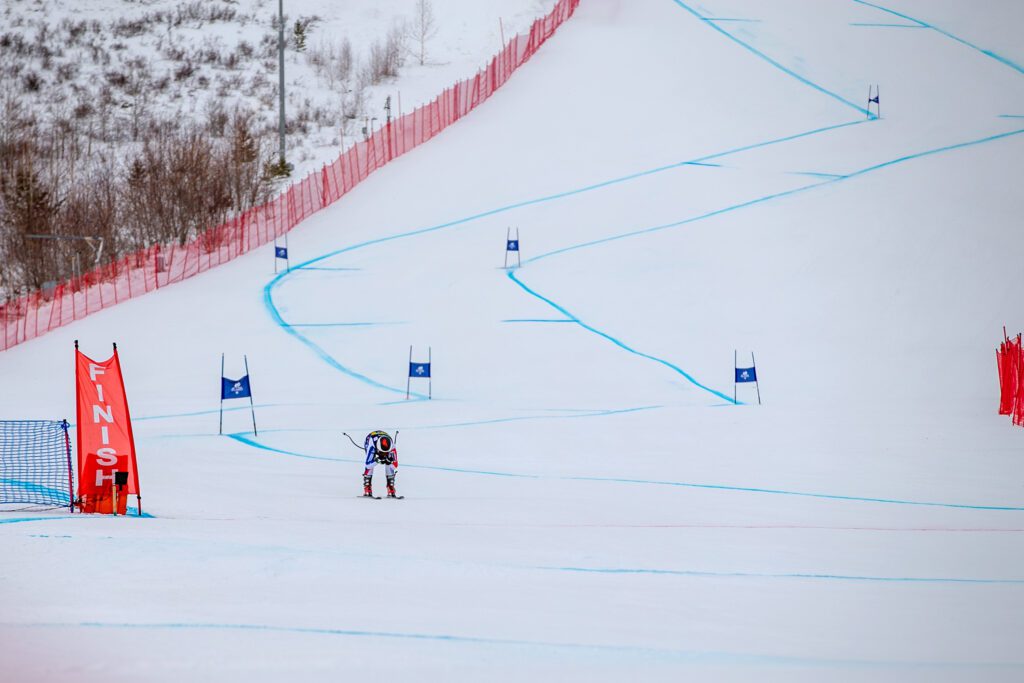
Every skier who visits Vail—whether for a weekend or an entire season—knows that the mountain’s beauty comes with demanding terrain and conditions. From early-season hardpack to late-spring slush, Vail’s variable snow demands precision from both the skier and their equipment. Yet, one of the most overlooked aspects of skiing performance is proper ski tuning.
At American Ski Exchange, located in the heart of Vail Village, we’ve spent decades helping skiers understand that ski tuning isn’t just about smoother turns—it’s about safety, speed, and longevity. This guide explains why ski tuning matters, how it enhances performance, and how often you should tune your skis for Vail’s unique environment.
What Is Ski Tuning?
Ski tuning is the process of maintaining and restoring the performance of your skis. It involves a combination of edge sharpening, base repair, waxing, and inspection to ensure that your skis grip, glide, and respond properly on snow.
A complete tune-up typically includes:
- Base Grinding: Smooths out rough patches, scratches, or core shots caused by rocks or ice.
- Edge Sharpening: Restores metal edges for a consistent grip, especially on hard snow.
- Waxing: Reduces friction between ski bases and snow for optimal glide.
- Base Repair (P-Tex): Fills gouges and holes caused by contact with rocks.
- Binding Inspection: Ensures bindings release safely during falls and remain properly calibrated.
Regular tuning ensures your skis perform at their best every time you hit the slopes—and in Vail, where snow texture can change several times in a single day, that’s essential.
Why Ski Tuning Matters in Vail’s Conditions
Vail’s vast terrain—over 5,300 acres across seven back bowls and countless groomers—creates constantly shifting snow surfaces. A ski that feels smooth in the morning can drag or chatter by the afternoon without proper maintenance.
Performance and Control
Sharp edges give you precise control on Vail’s hard-packed runs like Pepi’s Face or Blue Ox. Without tuning, dull edges make it harder to carve or stop, increasing the risk of slipping on icy sections. For skiers who love to explore the Back Bowls, properly waxed skis help you glide better and conserve energy—especially when paired with the right setup for local conditions, outlined in choosing the right gear for Vail’s conditions.
Safety and Stability
Tuning isn’t just for speed—it’s about safety. When your edges are uneven or your bases are dry, skis react unpredictably. According to the National Ski Areas Association (NSAA), equipment-related issues contribute to roughly 15% of skiing injuries annually, many of which could be prevented with regular maintenance.
Equipment Longevity
Vail’s high-altitude sun, moisture, and freeze-thaw cycles are hard on ski bases and metal edges. Regular waxing prevents oxidation and corrosion, extending your skis’ lifespan by several seasons. At American Ski Exchange, we recommend a base wax after every few weeks or when there are big temperature swings days of skiing, and an edge sharpening every 30-45 days (if you hit rocks, tune them more frequently) , depending on your usage and terrain.
How Ski Tuning Improves Performance
Better Glide and Speed
Fresh wax helps skis glide effortlessly across snow, reducing drag. It also protects the base from oxidation. For competitive or performance-focused skiers, even a small improvement in glide can make a noticeable difference in speed and control.
Sharper Edges for Precision Turns
In Vail’s colder months, hard-packed snow is common. Dull edges will slip during turns or fail to hold on steep terrain. Sharp edges allow skiers to carve confidently—even on icy runs—and provide better responsiveness in technical areas like Blue Ox or Highline.
Improved Balance and Efficiency
Well-tuned skis track predictably, helping you maintain balance and reduce fatigue. Uneven bases or burrs along the edge force your muscles to overcompensate, leading to earlier fatigue. For frequent visitors to Vail, keeping your skis tuned means longer, more enjoyable ski days.
Enhanced Experience in All Snow Types
- Powder Days: A waxed base glides smoothly without sticking to the snow.
- Icy Conditions: Sharp edges maintain control and prevent slipping.
- Spring Slush: Special warm-temperature wax prevents suction for smoother runs, especially during spring skiing in Vail.
Proper tuning allows your skis to adapt to Vail’s daily fluctuations—from the crisp mornings to the soft, sun-warmed afternoons.
When Should You Tune Your Skis?
While there’s no one-size-fits-all answer, Vail’s terrain and snow conditions provide helpful guidelines.
You should consider a full tune when you notice:
- Dull or rough edges that don’t grip on hard snow
- Bases that look chalky, dry, or feel slow
- Scratches or gouges on the base from rocks
Recommended Tuning Frequency for Vail Skiers:
- Casual Skiers (3–5 Days per Season): Tune once per season.
- Frequent Skiers (10–20 Days): Wax every one to two weeks , full tune mid-season.
- Season Pass Holders (30+ Days): Wax one to two weeks, sharpen skis as needed
- Powder or Backcountry Skiers: Wax after every few deep-snow days to prevent sticking.
At American Ski Exchange, we often inspect skis for free when guests bring them in, ensuring they receive only the service they need—not unnecessary work.
Types of Ski Tuning Services Available in Vail
Edge and Wax
Includes edge sharpening, waxing, and minor base cleaning. Ideal for regular maintenance between full services.
Full Tune
A complete tune includes base grinding, P-Tex repair, edge work, and a hot wax finish. Recommended after hitting rocks or skiing in variable Vail conditions.
Performance Tune
Designed for expert skiers or racers. Includes precision edge beveling and wax matched to snow temperature for maximum glide and responsiveness.
Custom Waxing
Wax is temperature-specific. At Vail’s altitude, daytime snow can range from 10°F to 40°F. Custom waxing ensures your skis perform optimally for that day’s temperature profile.
Binding Safety Check
Binding calibration ensures consistent and safe release during falls. A properly tuned ski is only as safe as its binding settings—something American Ski Exchange checks during every tune.
DIY Ski Maintenance vs. Professional Tuning
While it’s possible to wax and lightly sharpen skis at home, professional tuning offers precision that’s hard to replicate without specialized equipment.
Professional ski shops like American Ski Exchange use precision machinery for even base grinding, edge beveling, and wax application. A single mistake in home tuning—like oversharpening or uneven base work—can reduce ski performance or even compromise safety.
When to DIY:
- Applying quick wax between professional tunes
- Drying and cleaning skis after each use
- Removing surface rust with a gummy stone
When to Go Pro:
- When edges are dull or bases are damaged
- After hitting rocks or hard objects
- Before major ski trips or competitions
For most skiers, alternating between DIY maintenance and professional tunes keeps skis in top condition all season long, supported by best practices outlined in proper ski maintenance.
How Ski Tuning Enhances Safety on Vail’s Terrain
Vail’s elevation (over 8,000 feet) and wide variety of trails—from smooth greens to technical double blacks—mean safety starts with reliable gear. Tuning directly affects your ability to stop, turn, and react quickly.
- Sharp Edges: Provide better control on ice, reducing fall risk.
- Smooth Bases: Maintain stability on fast descents.
- Functional Bindings: Release correctly in falls, preventing leg injuries.
According to the Colorado Ski Country USA Safety Report (2024), properly tuned skis reduce edge-slip incidents by 40% compared to neglected equipment.
In short, regular tuning makes you a safer, more confident skier on Vail’s dynamic mountain terrain.
Environmental Considerations: Eco-Friendly Ski Tuning
As sustainability grows in importance, many Vail ski shops—including American Ski Exchange—have adopted eco-conscious practices. Modern waxes now use fluoro-free formulations, reducing environmental impact while maintaining performance. Additionally, precision machines minimize waste material, and biodegradable wax options are available for eco-minded skiers.
Choosing shops committed to these practices helps preserve the pristine alpine environment that makes Vail so special.
FAQs About Ski Tuning in Vail
How often should I wax my skis in Vail?
For regular skiers, waxing every 7 days of use maintains speed and protects the base. Warmer spring conditions may require more frequent waxing.
How can I tell if my skis need tuning?
If your skis feel sluggish, fail to grip on turns, or show visible scratches, they need tuning. A dry, white base is another telltale sign.
Can ski tuning fix damage from rocks?
Yes. Base repairs using P-Tex can fill gouges and restore glide. However, if the damage reaches the ski’s core, professional inspection is necessary.
Does tuning differ between powder and groomed runs?
Yes. Powder skis benefit from a slightly flatter edge bevel and hydrophobic wax, while groomer skis need sharper edges for grip.
What’s included in a professional ski tune at American Ski Exchange?
Our full tune includes base grinding, edge sharpening, waxing, base repair, and P-tex. Each service is customized for Vail’s daily snow conditions. More answers are available in our FAQ section.
Keep Your Skis Mountain-Ready
Your skis are your connection to Vail’s legendary slopes. Keeping them tuned means faster runs, smoother turns, and a safer, more enjoyable experience from first chair to last. At American Ski Exchange, we provide full-service ski tuning, repairs, and waxing tailored to Vail’s climate—so your gear performs its best, every time.
Whether you’re visiting for a weekend or skiing all season, stop by our shop in Vail Village for a quick inspection or tune. Our expert technicians will help you glide with confidence and precision, no matter the snow conditions.